Portable toilets, often called porta-potties, are a common sight at outdoor events, construction sites, and recreational areas. They provide a convenient solution for individuals needing restroom facilities where traditional bathrooms are unavailable. But have you ever wondered how these portable toilets work? In this blog, we will explore the inner workings of these mobile restrooms, from their design and construction to their maintenance and environmental impact.
The Anatomy of a Portable Toilet
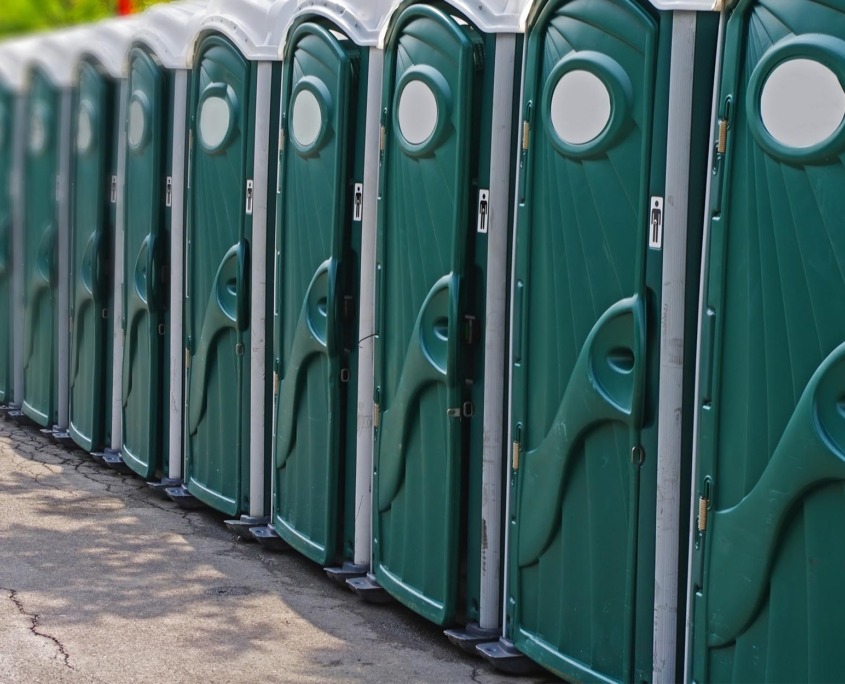
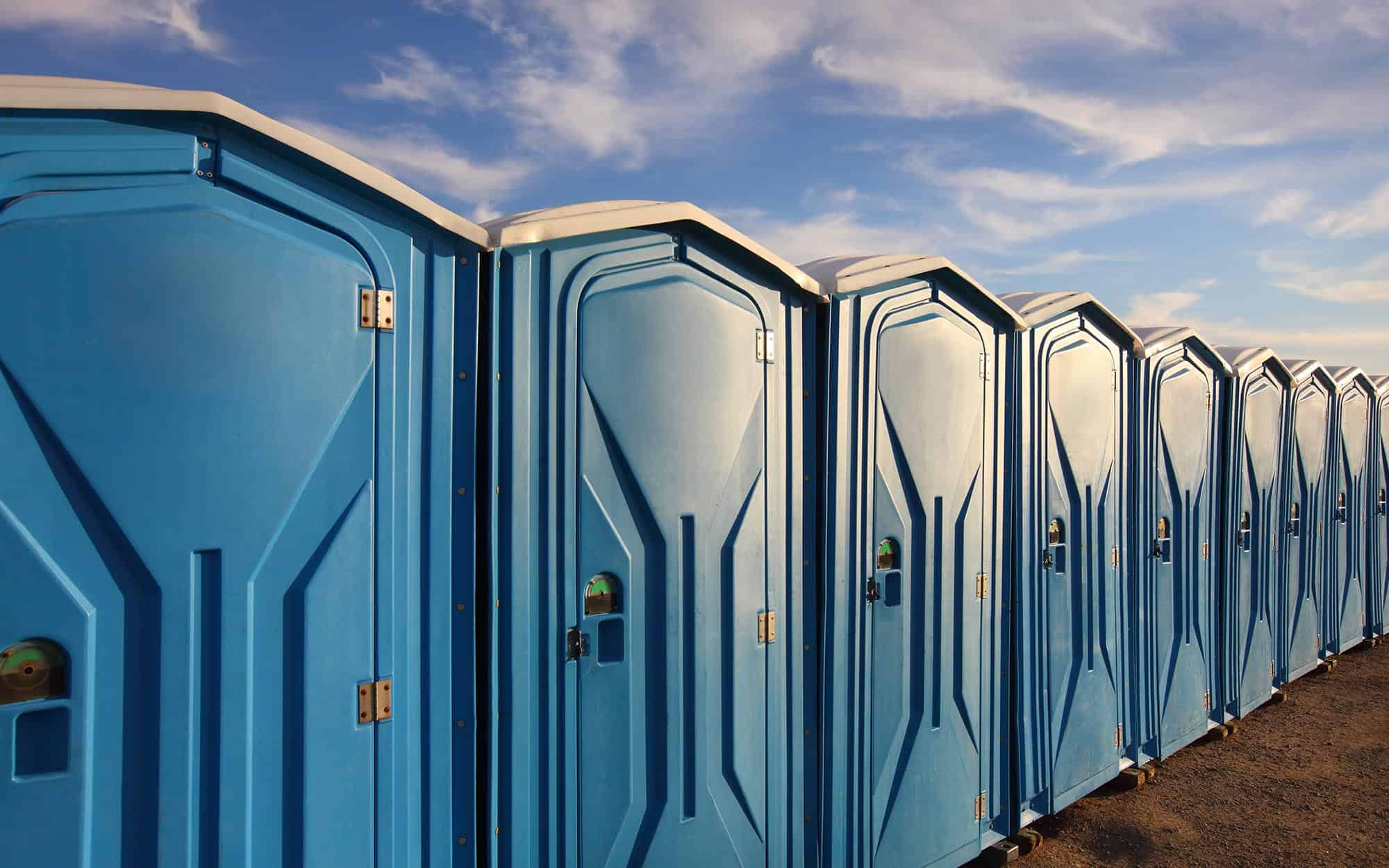
Portable toilets are compact and self-contained units designed for temporary use. They have several key components that work together to provide a functional and sanitary restroom experience. Let’s take a closer look at the anatomy of a typical portable toilet:
Exterior Shell
The outer shell of a portable toilet is typically made of durable plastic, which makes it lightweight, easy to transport, and resistant to the elements. This is designed to be sturdy and weather-resistant, ensuring the comfort and safety of users.
Door and Lock
Portable toilets have a hinged door with a locking mechanism to provide privacy and security. The lock ensures that users can use the facilities without worrying about intrusion.
Toilet Seat and Bowl
Inside the portable toilet, you will find a standard toilet seat and bowl. These components are designed to resemble a regular toilet as closely as possible, providing a familiar experience for users.
Waste Tank
Perhaps the most critical component of a portable toilet is the waste tank. This tank is located beneath the toilet seat and is responsible for collecting and storing human waste, toilet paper, and other debris. It usually has a special seal or trap to prevent odors from escaping.
Toilet Paper Dispenser
To make the user experience more convenient, portable toilets are often equipped with a toilet paper dispenser. This ensures that users have easy access to essential hygiene products.
Ventilation
Proper ventilation is essential to minimize odors and maintain a comfortable environment inside the portable toilet. Many units include a passive ventilation system, while more advanced models have powered fans for improved air circulation.
Hand Sanitizer Dispenser
For hygiene and sanitation, many portable toilets come with a built-in hand sanitizer dispenser, allowing users to clean their hands after using the facilities.
Porta Potties That Work for Any Occasion
R & R Sanitation offers porta potties that work for any event. Learn more about the applications of our products.
How Do Porta Potties Work?
Porta potties work in the following ways:
- Collection and ContainmentWhen a user flushes the toilet, waste, and toilet paper are deposited into the waste tank located beneath the toilet bowl. This waste tank is designed to hold and contain the waste until it can be properly disposed of.
- Chemical AdditivesTo control odors and break down waste, chemical additives are often used in the waste tank. These additives help to decompose the waste and reduce the production of foul-smelling gases.
- VentilationThe ventilation system, whether passive or powered, plays a crucial role in maintaining air quality inside the portable toilet. It helps remove unpleasant odors and ensures a comfortable environment for users.
- Regular ServicingPortable toilets require regular servicing to remove waste, replenish supplies (like toilet paper and hand sanitizer), and add more chemical additives to the waste tank. Service technicians, often provided by rental companies, perform these tasks.
- DisposalWhen the waste tank is full, it needs to be emptied and the contents properly disposed of. Waste disposal is a critical part of the portable toilet’s operation, as it must be done in an environmentally responsible manner.

Environmental Considerations
Portable toilets are a practical solution for providing sanitation in various locations, but their use does raise environmental concerns. Here are some of the environmental considerations associated with portable toilets:
Waste Disposal
Proper waste disposal from portable toilets is essential for minimizing environmental impact. Waste disposal companies are responsible for transporting and treating the waste at dedicated facilities. It’s crucial to ensure that these processes comply with environmental regulations.
Chemical Additives
The chemicals used in portable toilets can be harmful to the environment if not managed correctly. Many companies use eco-friendly additives that break down waste without causing harm. Choosing a rental provider that uses environmentally friendly chemicals is a responsible choice.
Water Usage
Portable toilets do not require a constant water supply for flushing, making them more water-efficient than traditional toilets. This is particularly advantageous in areas where water is scarce.
Sustainable Materials
Some portable toilet manufacturers use recycled or sustainable materials in their construction. These materials are more environmentally friendly and reduce the carbon footprint of the units.
Transportation
The transportation of portable toilets to and from various locations can contribute to greenhouse gas emissions. To minimize this impact, rental companies often use efficient logistics and delivery methods.
Maintenance and Cleaning
Proper maintenance and cleaning are essential for ensuring that portable toilets remain sanitary and comfortable for users. Here are some of the key aspects of maintaining these units:
Regular Servicing
Portable toilets should be serviced regularly, especially in high-traffic areas. This includes emptying waste tanks, cleaning the interior, restocking supplies, and adding chemical additives.
Cleaning Products
The interior of a portable toilet should be cleaned with appropriate cleaning products to maintain hygiene. Cleaning staff use disinfectants to sanitize all surfaces, including the toilet seat, bowl, and walls.
Restocking Supplies
Toilet paper, hand sanitizer, and other essential supplies must be regularly replenished to ensure users have a comfortable and sanitary experience.
Repairs
Any damaged or malfunctioning parts, such as locks or ventilation systems, should be promptly repaired to maintain the unit’s functionality and user satisfaction.
The Advantages of Portable Toilets
Portable toilets offer several advantages that make them a practical choice for a variety of settings:
- MobilityAs the name suggests, portable toilets are highly mobile and easily transported to different locations, making them ideal for events, construction sites, and disaster relief efforts.
- Cost-EfficiencyPortable toilets are a cost-effective alternative to building permanent restroom facilities. They save on construction costs, water usage, and ongoing maintenance expenses.
- Water ConservationThese units do not require a water supply for flushing, reducing water consumption, and promoting water conservation.
- SanitationPortable toilets are designed with hygiene in mind, including features like hand sanitizer dispensers and proper waste containment.
- AccessibilityMany portable toilet units are wheelchair accessible, providing facilities for all individuals, regardless of their physical abilities.
Improve Your Porta Potty Standards With R & R Sanitation
Porta potties work as well as the company that supplies them. R & R Sanitation understands the importance of a clean restroom facility and works with our customers to find the right solution for their needs. Our selection of portable toilets includes:
Contact us today to learn more about our selection of porta-potties.